
What challenges do UK companies face when hiring regulated AI tech talent in healthcare?

What challenges do UK companies face when hiring regulated AI tech talent in healthcare?

What challenges do UK companies face when hiring regulated AI tech talent in healthcare? This is a crucial question for leaders in healthtech, HR, and compliance. The demand for AI professionals with regulatory expertise is growing, but so are the obstacles in attracting, vetting, and retaining these specialists.
In this article:
- Key takeaways
- Understanding the Regulatory Landscape for AI Talent in UK Healthcare
- Talent Shortage and Skills Gap in Regulated AI Healthcare Roles
- Navigating Recruitment, Vetting, and Onboarding Processes
- What challenges do UK companies face when hiring regulated AI tech talent in healthcare?
- Frequently asked questions
- Conclusion
This article explores the main hurdles, from navigating complex regulations to bridging the AI skills gap. You will also learn practical strategies for recruitment and onboarding, helping your organisation build a compliant and effective AI team in the UK healthcare sector.
Key takeaways
- Strict regulations create complex hiring requirements for AI talent in UK healthcare.
- A significant skills gap exists for regulated AI roles, slowing innovation.
- Compliance checks and onboarding processes are lengthy and resource-intensive.
- Companies must adopt tailored recruitment and retention strategies to succeed.
Understanding the Regulatory Landscape for AI Talent in UK Healthcare
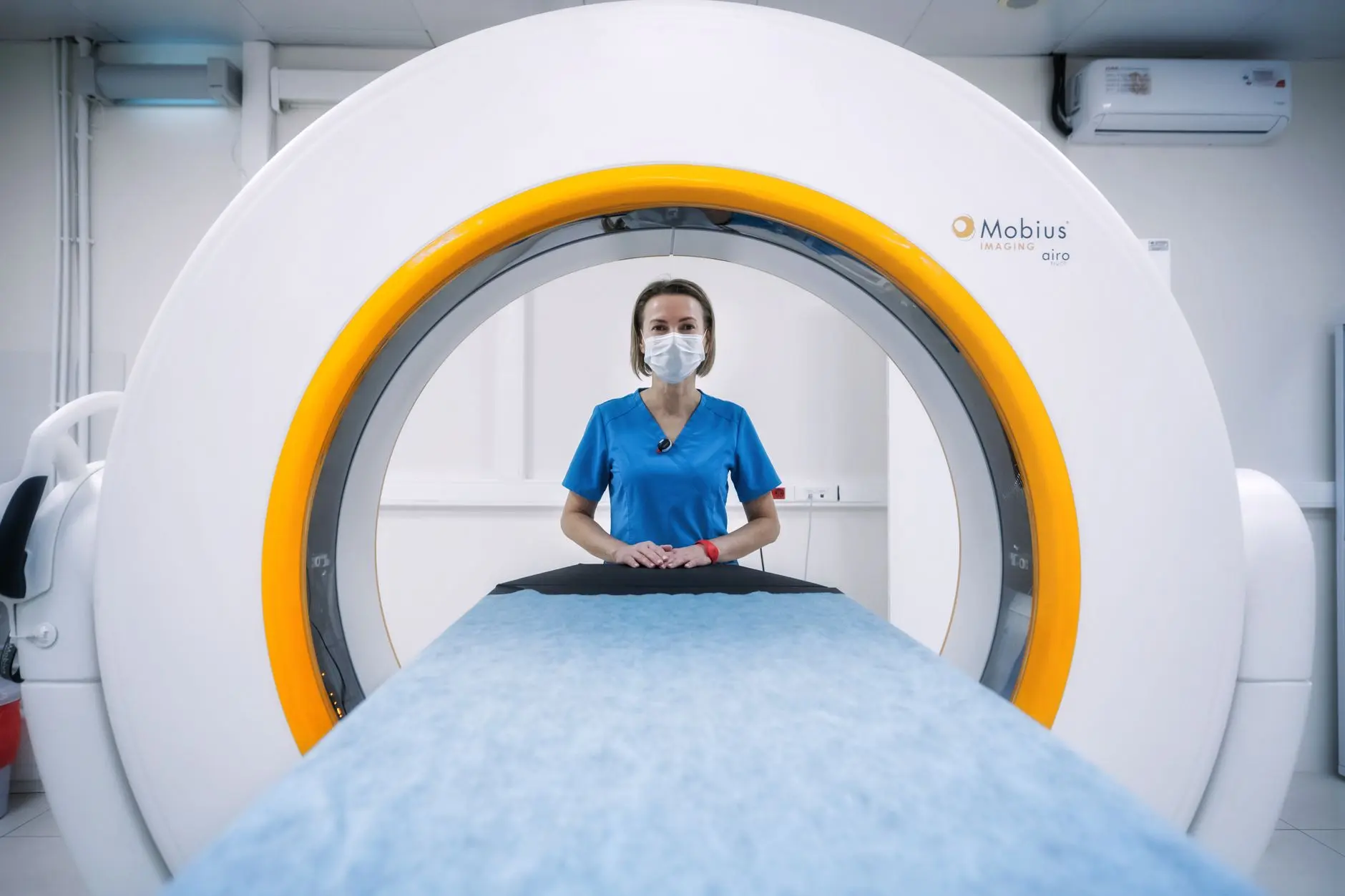
The UK healthcare sector operates under a complex regulatory framework that directly shapes the hiring of AI tech talent. Three key regulatory bodies and standards dominate this landscape: the Medicines and Healthcare products Regulatory Agency (MHRA), the National Health Service (NHS) frameworks, and the General Data Protection Regulation (GDPR). Each imposes specific requirements on both technology and the professionals involved in developing and deploying AI solutions for healthcare.
- MHRA: Any AI technology classified as a medical device must comply with MHRA’s rigorous approval processes. This requires AI engineers and data scientists to demonstrate familiarity with medical device regulations, clinical validation, and post-market surveillance procedures.
- NHS: Working within NHS environments means adhering to NHS Digital’s Data Security and Protection Toolkit, as well as various clinical safety standards (e.g., DCB0129 for software development). Employers must ensure candidates understand these frameworks and can provide evidence of past compliance.
- GDPR: AI professionals in healthcare must design and implement systems that protect patient privacy and ensure data minimisation, security, and auditability. This means hiring managers must assess candidates’ experience with privacy-by-design principles and robust data governance.
Compliance-Driven Job Requirements and Hiring Processes
Regulatory demands have a direct impact on job descriptions, required skills, and vetting procedures. For example, a data scientist role in healthcare AI may require:
- Evidence of regulatory submissions or work on CE-marked/UKCA-marked AI products
- Experience with clinical trials or real-world evidence generation
- Demonstrable understanding of GDPR and patient data handling
- Knowledge of NHS procurement and interoperability standards
These criteria increase the complexity of both recruitment and onboarding. Standard tech recruitment processes often fall short, as they may overlook crucial regulatory competencies.
Challenges in Aligning Tech Talent with Healthcare Standards
- Scarcity of dual-skilled candidates: There are far fewer AI professionals with both advanced technical skills and hands-on experience in regulated healthcare environments.
- Increased time-to-hire: Additional compliance checks, such as background screening for clinical data handling, slow down hiring cycles.
- Onboarding complexity: New hires require extensive training in internal compliance protocols and may need to pass NHS or MHRA certification processes before starting on projects.
As regulations evolve—such as the implementation of the EU AI Act—UK companies must remain agile, adapting job requirements and recruitment strategies to maintain compliance and secure top-tier AI talent. For more on regulatory-driven hiring trends, see EU AI Act Impact on HealthTech Hiring 2026.
Talent Shortage and Skills Gap in Regulated AI Healthcare Roles
The UK’s healthcare AI sector faces a persistent talent shortage, especially for roles requiring regulated expertise. Demand for professionals who understand both advanced AI technologies and complex healthcare regulations far exceeds supply. According to NHS Digital, the number of open AI-related roles in healthcare has grown by over 40% since 2022, but only a fraction of applicants possess the hybrid background needed to navigate regulated environments.
Employers seek candidates with a unique blend of skills, including:
- Technical AI proficiency (machine learning, data engineering, model validation)
- Healthcare domain knowledge (NHS data standards, clinical workflows, electronic medical records)
- Regulatory compliance (GDPR, MHRA, UKCA marking, and—anticipating the future—EU AI Act readiness)
- Certifications such as ISO 13485 (medical device quality) and experience with clinical risk management frameworks
RoleRequired SkillsTypical CertificationsTalent AvailabilityAI/ML Engineer (Healthcare)Python, ML Ops, EMR integrationISO 13485, GDPR trainingLowClinical Data ScientistStatistical modeling, clinical trial dataGCP, NHS Digital standardsVery LowAI Compliance LeadRegulatory strategy, risk assessmentMHRA, UKCA, EU AI ActExtremely Low
This acute skills gap directly impacts project delivery. Companies report delays of 6–12 months for critical product launches and often scale back innovation pipelines due to hiring bottlenecks. These challenges can be particularly acute for startups and scale-ups navigating Series A/B funding milestones, where speed to market is crucial. For a deep-dive on the broader talent market, see Deep tech startup hiring challenges Europe (2026).
To address these issues, many companies partner with specialized recruitment firms whose Services | Optima Europe include targeted search, skills benchmarking, and vetting for regulated healthcare AI roles. However, until the pipeline of qualified professionals expands, the skills shortage will remain a significant barrier to innovation and compliance in UK healthcare AI.
Navigating Recruitment, Vetting, and Onboarding Processes
Hiring regulated AI talent in UK healthcare means navigating a uniquely complex recruitment process, where compliance is as critical as technical expertise. Background checks extend beyond the typical criminal record and reference screenings. Employers must verify candidates’ credentials for working with sensitive patient data, confirm familiarity with NHS Digital and MHRA standards, and often check for previous experience in regulated clinical environments. This can involve contacting regulatory bodies or cross-referencing international qualifications, particularly when talent is sourced globally.
Regulatory compliance also leads to lengthier recruitment cycles. Each step—right to work, GDPR training, information governance clearances, and sometimes even security vetting—adds days or weeks to hiring timelines. In many cases, companies report onboarding times for regulated AI health roles stretching to 8–12 weeks, compared to less than a month in non-regulated tech sectors. For organisations scaling rapidly, these delays can impact project delivery and product launches.
To streamline onboarding while maintaining compliance, best practices include:
- Pre-screening for regulatory experience: Use application forms and interviews to identify candidates with prior exposure to health data laws and regulated workflows.
- Automated background check platforms: Leverage digital tools that integrate with NHS and DBS databases to accelerate credential verification.
- Compliance onboarding bundles: Provide new hires with targeted e-learning on GDPR, medical device regulations, and cyber risk essentials.
- Cross-functional onboarding teams: Involve HR, IT, and compliance officers early to ensure all onboarding steps are parallelised, not sequential.
Since AI roles often intersect with cybersecurity and data governance, partnering with experts such as Cybersicherheits-Governance-Risiko | Optima Europe helps companies stay ahead of regulatory pitfalls during recruitment and onboarding. By embedding compliance into every hiring stage, UK firms can both satisfy regulatory bodies and secure top-tier AI talent in healthcare.
What challenges do UK companies face when hiring regulated AI tech talent in healthcare?
UK companies seeking to hire regulated AI tech talent in healthcare face a multifaceted set of challenges, from sourcing qualified candidates to navigating complex compliance requirements. For example, several NHS trusts have struggled to fill senior AI roles, citing a lack of candidates who understand both NHS data governance and advanced machine learning. In one case, a digital health startup spent over six months recruiting a Head of AI Compliance, only to restart the process due to insufficient sector-specific regulatory experience in the final shortlist.
Key legal, ethical, and cultural hurdles include:
- Legal: Ensuring candidates meet both UK GDPR and evolving MHRA guidelines for AI medical devices.
- Ethical: Assessing applicants’ ability to design bias-aware algorithms and manage sensitive patient data responsibly.
- Cultural: Attracting top global AI talent to the UK while addressing concerns about Brexit, work-life balance, and the public vs. private healthcare ethos.
To overcome these obstacles, companies are adopting several strategies:
- Partnering with specialist consultancies like HR & Recruitment Consulting Services | Optima Europe to access niche healthcare AI talent pools and streamline vetting processes.
- Developing in-house training for regulatory frameworks, allowing promising candidates from adjacent industries to upskill rapidly.
- Offering flexible remote work and tailored compensation packages to compete with global tech giants.
For those seeking a broader perspective on the evolving regulatory landscape, the analysis in EU AI Act Impact on HealthTech Hiring 2026 provides actionable insights on how upcoming regulations may further influence talent acquisition strategies in the UK healthcare sector.
Frequently asked questions
What regulations affect hiring AI professionals in UK healthcare?
Hiring AI professionals in UK healthcare is governed by regulations such as the General Data Protection Regulation (GDPR), UK Data Protection Act, NHS Digital standards, and Medical Device Regulations (MDR). Compliance with these ensures data privacy, proper handling of patient information, and validated use of AI in clinical environments.
Why is there a shortage of regulated AI tech talent in the UK healthcare sector?
The shortage stems from high demand, limited educational pathways specializing in regulated healthcare AI, and strict compliance requirements. Many professionals lack experience navigating both AI development and healthcare regulations, making qualified candidates scarce and increasing competition among employers.
How can UK companies ensure compliance when hiring AI roles?
Companies should verify candidate understanding of relevant healthcare regulations, conduct thorough background checks, and provide ongoing training in compliance. Collaborating with legal and regulatory experts during recruitment and onboarding further ensures that new hires align with required standards.
What skills are most in demand for regulated AI positions in healthcare?
Skills in machine learning, data science, medical data privacy, and regulatory compliance are highly sought after. Experience with healthcare IT systems, NHS data standards, and familiarity with clinical validation processes are also crucial for regulated AI roles in the sector.
How long does the recruitment process typically take for regulated AI roles?
The recruitment process for regulated AI roles in healthcare usually takes between three to six months. This extended timeline is due to rigorous vetting, technical assessments, and ensuring compliance with complex healthcare regulations throughout the hiring process.
What are best practices for onboarding AI talent in healthcare companies?
Effective onboarding includes comprehensive training on healthcare regulations, data privacy protocols, and company-specific compliance procedures. Providing mentorship, clear documentation, and regular compliance updates helps integrate new talent smoothly and supports ongoing regulatory adherence.
Conclusion
Hiring regulated AI tech talent in UK healthcare comes with unique challenges, from navigating complex regulations to overcoming a competitive talent market. Companies that understand these hurdles—and proactively address them—will be better positioned to build innovative, compliant AI solutions for the future of healthcare.
If you're looking to streamline your recruitment process and secure top AI talent familiar with UK healthcare regulations, partner with a specialist agency that understands your industry’s demands. Reach out today to discover how we can help you achieve your hiring goals efficiently and confidently.

